
Movie Theater & Cinema Roofing work starts with verified roof conditions, clear repair limits, and a practical decision path for the building owner.
Movie Theater & Cinema Roofing roof scope
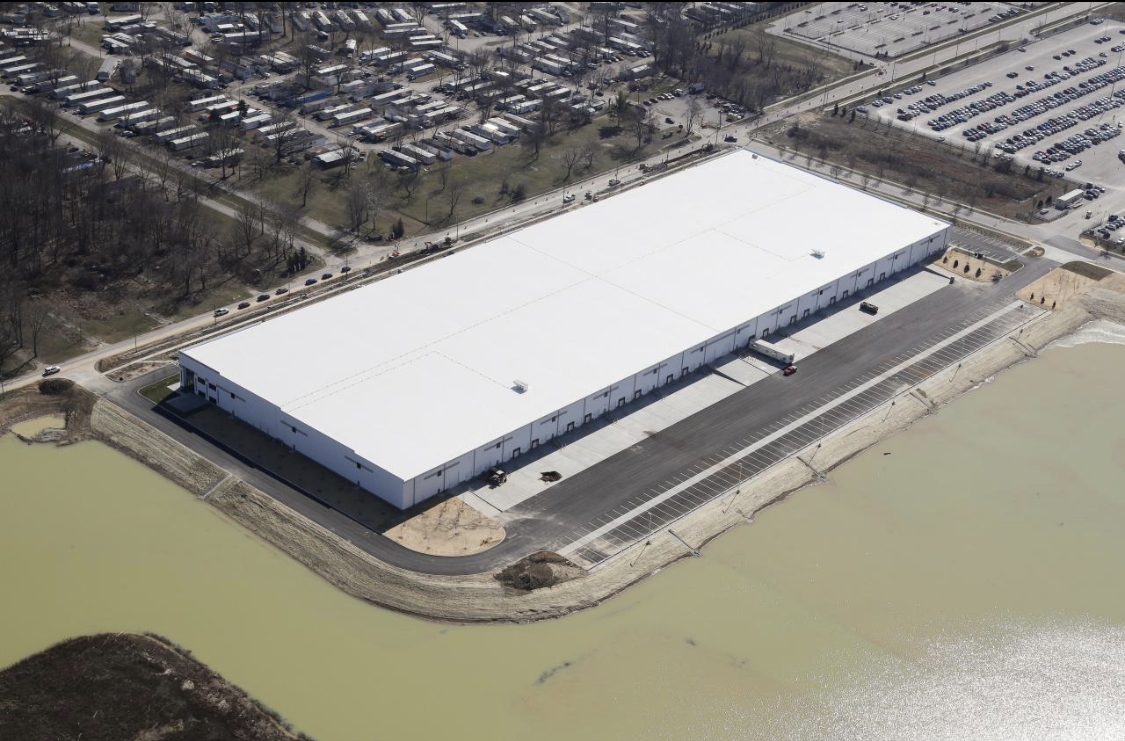
A movie theater is mostly air. To seat a few hundred people facing one screen with no posts in the way, the auditorium roof spans a long, column-free distance, eighty to a hundred and fifty feet across a single bay is common on a multiplex. Little Rock has both the modern multiplex version and the older single-house version: AMC Chenal in West Little Rock, and the long-running Riverdale in the Riverdale district near the river. Whatever the vintage, the defining feature is that wide clear span overhead, and the roof on top of it has to be detailed for that span rather than for a retail box.
That span is the first thing we size for. A long, column-free deck flexes under wind and snow more than a short one, and the fastening pattern that holds a strip-center roof down is not what holds an auditorium roof down. We confirm the actual deck type, rib depth, and gauge and then set fastener density and insulation attachment to match, older steel deck with shallow ribs pulls out at lower values than modern deep-rib deck, and over a span where deflection is a concern we may go to an adhered or hybrid system so wind uplift is not concentrating load on the seams.
Above the auditoriums the roof is dense with equipment. Each house wants its own conditioning, so a multiplex carries a field of rooftop units, plus concession exhaust, lobby and boiler vents, and condensers for the walk-in coolers behind the snack bar. The penetration count over a theater looks more like a hospital than a store, and every curb, duct, and conduit gets flashed and documented on its own before new membrane goes over it.
Sound matters more on a theater than on almost any other commercial roof. The whole point of the room is controlled audio in the dark, and a thin or poorly detailed roof lets in rain noise during one of Little Rock's heavy spring downpours and lets rooftop-unit hum bleed into the house. The insulation thickness and the way we isolate and curb the mechanical units both feed into keeping the auditorium quiet, so we treat the assembly as part of the acoustic envelope, not just the weather barrier.
A lot of Little Rock theaters are old enough now to be facing their second or third roof, and the first question on a reroof is whether the existing assembly can be recovered or has to come off. We start with core samples to see how many layers are already up there, how wet the insulation is, and what the total weight in place is. Two saturated layers of old roofing add dead load to a long-span deck that was never meant to carry it, and water trapped in the insulation will keep corroding the deck under a new membrane, so on a wet or overloaded assembly we tear off rather than recover, even though recover is cheaper on paper. When the existing roof is dry and sound and the structure has the capacity, a recover with new insulation over the old system can be the right call and keeps the auditoriums open with less disruption. We make that recommendation from what the cores show, not from what is easiest to sell.
For most theater roofs here we run a thicker TPO, 60 or 80 mil, over tapered polyiso. The taper fixes the ponding that flat theater roofs collect over the years, which matters in a town that sees close to fifty inches of rain annually, and white TPO meets the cool-roof expectations that come with most reroof permits now. We add reinforced walk pads on the service routes to the units so technician traffic does not chew up the membrane. Theaters run afternoons into late night, every day, so we plan tear-off and dry-in around showtimes, keep every section watertight before the evening crowd arrives, and coordinate any HVAC shutdown for curb work with the house manager. The marquee, entry canopy, and sign supports get re-flashed as part of the job, because that entry transition is where we find the most leaks on older Little Rock cinemas.
Planning Questions
What do you spec for a multiplex roof?
Typically 60-mil or 80-mil TPO over tapered polyiso. The taper corrects the ponding that builds up on flat theater roofs, white TPO meets cool-roof permit requirements, and we add reinforced walkway pads on the routes to the rooftop units so service traffic does not damage the membrane.
How do you handle the long auditorium spans?
We verify the deck type, rib depth, and gauge, then size the fastener pattern and attachment to that span instead of a generic layout. Shallow-rib older deck holds fasteners less well than modern deep-rib deck, and where deflection is a concern we may use an adhered or hybrid system so uplift does not concentrate on the seams.
Will the roof help keep the auditorium quiet?
Yes, that is part of the design. The insulation assembly and the way we isolate and curb the rooftop units both reduce rain noise and mechanical hum bleeding into the house. On a theater we treat the roof as part of the acoustic envelope, not just the waterproofing.
Can you work without shutting down screenings?
Yes. We plan tear-off and dry-in around the showtime schedule so each section is watertight before the evening crowd arrives, and we coordinate any HVAC shutdown needed for curb or penetration work with your facilities staff.