
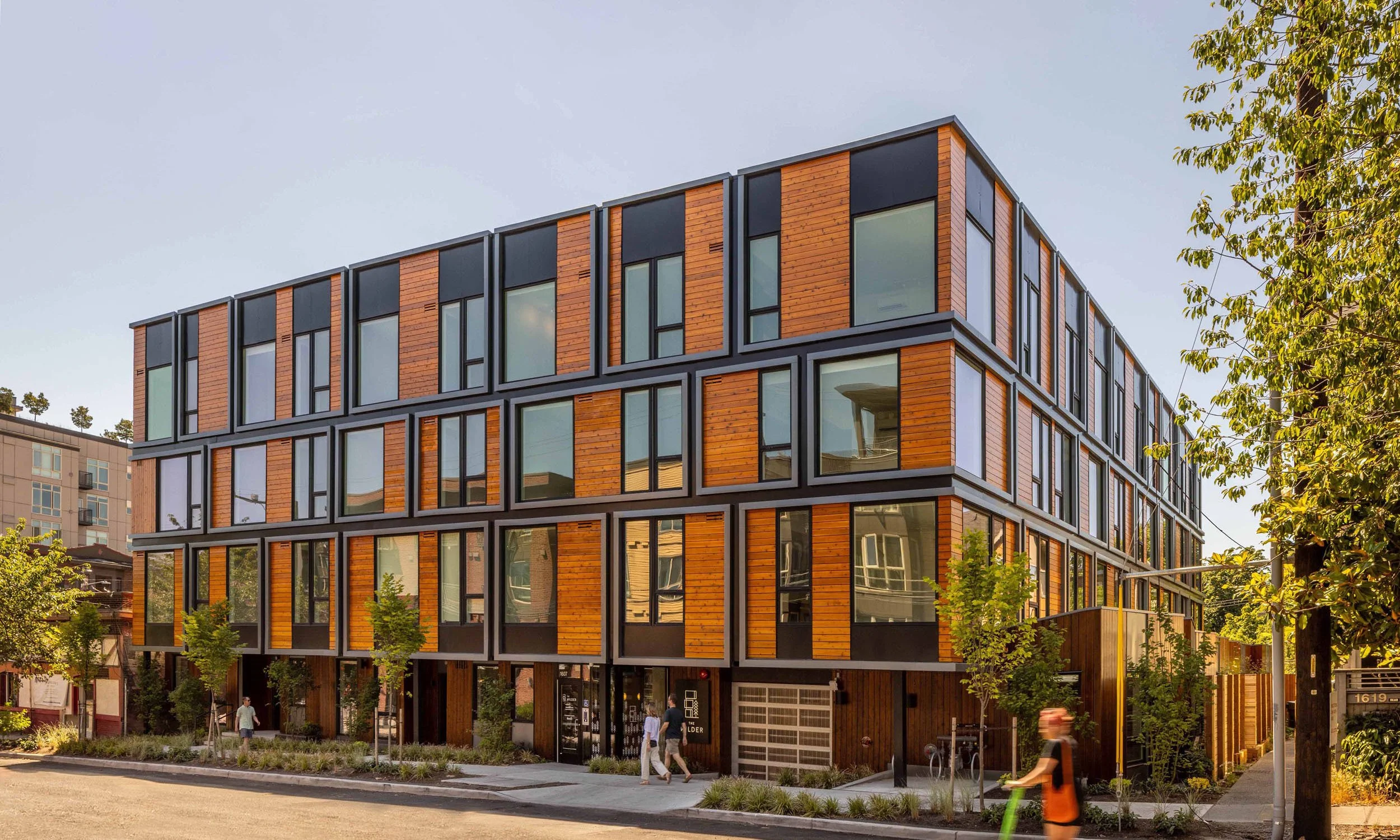
Multifamily and Apartment Building Roofing work starts with verified roof conditions, clear repair limits, and a practical decision path for the building owner.
Multifamily and Apartment Building Roofing roof scope
Flake & Kelley Commercial, one of Little Rock's most active development and property management firms, operates a portfolio of multifamily and mixed-use properties across the metropolitan area that reflects the full spectrum of residential roofing challenges in Central Arkansas. From garden apartment complexes near the Riverdale corridor to urban infill mid-rise buildings in the Heights neighborhood, their properties face Arkansas's demanding weather, intense spring storms with wind and hail, humid summers that accelerate mold growth in any water-compromised building envelope, and the occasional ice storm in winter that adds unexpected load to horizontal surfaces. Managing roofing on occupied residential buildings in Little Rock requires the same careful coordination protocols as any occupied building, plus the specific legal framework that Arkansas landlord-tenant law establishes for residential properties.
Occupied scheduling for Little Rock multifamily roofing must account for a resident population that is home during the day far more often than a commercial office building's daytime-only workforce. Retired residents, work-from-home employees, parents with young children, and night-shift workers who sleep during the day are all affected by daytime roofing noise in ways that commercial tenants are not. Best practice for Little Rock apartment building re-roofing is a resident notification that includes the expected daily work start and end times, a description of the noise and disruption to expect, and a direct phone number for residents to call with concerns or emergencies. Properties whose management is proactive about communication consistently have better project experiences than those who send a single notice and proceed without further engagement.
HOA coordination in Little Rock's condominium market, concentrated in the River Market District, the Heights, and the west Little Rock suburban developments, adds the board approval process to every major roofing project. Arkansas condominium law under the Horizontal Property Act governs the authority of HOA boards to approve major expenditures, and special assessments for projects like roof replacement typically require a supermajority vote at a noticed meeting. A roofing contractor who understands HOA project dynamics, and can present the technical scope in terms that non-expert board members understand, is a more effective partner for a Little Rock condo project than one who delivers only a technical specification without accessible explanation.
Fire ratings for Little Rock multifamily buildings follow Arkansas's adoption of the International Building Code. Buildings of Type III or Type V construction above three stories require Class A fire-rated roof assemblies. Modified bitumen cap sheet over fiberglass base sheet with polyiso insulation on a steel deck is among the most common Class A assemblies in the Little Rock market, and it performs well in the region's climate. SBS-modified bitumen has flexibility advantages in Arkansas's freeze-thaw environment and is the preferred modification type for Little Rock multifamily applications over APP-modified systems, which become brittle in cold weather.
Balcony waterproofing on Little Rock multifamily buildings is complicated by the region's humidity and mold growth potential. Arkansas summers are hot and humid, and balcony-to-wall transitions where waterproofing is compromised create pathways for moisture to enter the wall cavity, where it can support mold growth in the cavity before any interior symptom appears. A thorough balcony waterproofing inspection should be part of the pre-project assessment for any Little Rock apartment building, and any penetrations in balcony slabs, railing post bases, light fixture conduits, drainage outlets, should be checked for sealant integrity and resealed as part of the project scope.
Notice requirements for residents before roofing work begins in Little Rock are governed by Arkansas's Uniform Residential Landlord and Tenant Act, which establishes landlord obligations and notice standards. Written notice of major exterior work with at least 7 days advance notification is a conservative standard that protects the landlord against quiet enjoyment complaints, and 14 days is better practice for projects lasting more than a week. Little Rock's Pulaski County Quorum Court does not have a specific construction noise ordinance that covers residential areas, but the city's general noise standards apply, and roofing crews should not begin work before 7 a.m. in residential neighborhoods.
Storm claims in Little Rock's multifamily sector are common given the region's active spring storm season. Pulaski County sees frequent hail events and occasional tornado touchdowns, and apartment buildings across the city face multiple insurance claims over a building's life. Pre-loss documentation, annual inspection reports with photographs, is the most effective tool for ensuring clean claim settlements. After a tornado-season event affects a Little Rock apartment complex, the property manager should conduct a post-storm visual survey and photograph any visible roof damage before emergency tarping begins. Insurance adjusters are less likely to attribute storm damage to deferred maintenance when the pre-loss record shows an inspected and maintained building.
Planning Questions
What decides the right multifamily and apartment building roofing path?
The roof assembly, leak history, drainage, access, rooftop equipment, and operating risk below the roof all shape the recommendation.
Can work be phased around occupied spaces?
Yes. The scope should identify tenant-sensitive areas, daily dry-in expectations, access routes, and weather limits before production starts.
What documentation should ownership expect?
Photo records, repair notes, roof-area observations, product information when applicable, and a clear summary of remaining roof risks.