
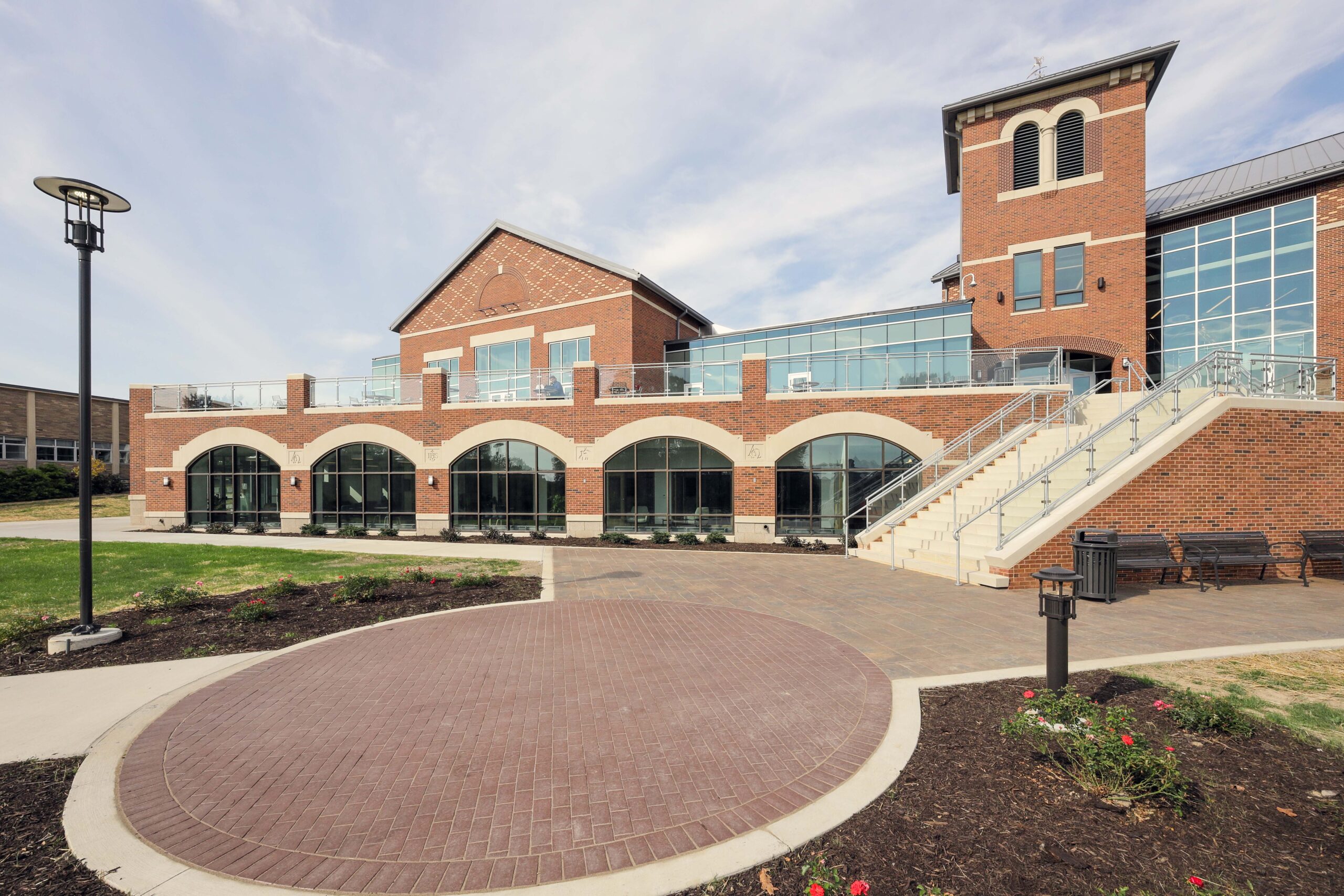
University and College Campus Roofing work starts with verified roof conditions, clear repair limits, and a practical decision path for the building owner.
University and College Campus Roofing roof scope
The University of Arkansas at Little Rock campus on South University Avenue, with its mix of mid-20th-century brick buildings, modern science facilities, and the striking Windgate Art and Design Building, is central to the university roofing market in central Arkansas. UALR's 250-acre campus includes over 50 buildings with roofing assets that range from original 1960s built-up tar and gravel systems to recently installed TPO membranes on new construction, presenting a facilities management challenge that requires contractors familiar with both legacy system restoration and current best-practice installation.
Semester scheduling constraints at UALR mirror those at larger university campuses but are calibrated to the specific rhythms of a metropolitan commuter-oriented institution. Summer session enrollment at UALR runs through late July, meaning the window for truly quiet summer roofing work is compressed to roughly six weeks in August and early September before fall classes begin. Contractors who work with UALR facilities management develop detailed work phase plans that align loud, disruptive operations with exam breaks and low-enrollment periods, and schedule quieter membrane installation phases for times when buildings are partially occupied.
UALR's campus programs include a growing nursing and health sciences curriculum housed in the Donaghey Student Center complex and the Asa Stephens building, where rooftop HVAC systems supporting simulation labs and health sciences classrooms have more demanding performance requirements than those serving standard lecture halls. HVAC equipment maintenance, rooftop penetration integrity, and drainage system performance all have direct implications for the temperature and humidity control in these specialized academic spaces. Roofing contractors working on health sciences buildings at UALR coordinate with the university's facilities team on equipment compatibility and system performance requirements before beginning any work that involves existing mechanical system penetrations.
Historic buildings on the UALR campus, including the original Donaghey Hall and the Administration Building, have architectural features that require roofing contractors with experience in historically sensitive institutional work. While UALR's buildings are younger than those at some flagship state universities, the institutional character of the original brick and clay tile construction on the older campus buildings warrants careful material matching and restoration approaches that preserve the original architectural intent. Replacement materials that approximate but do not match original color, profile, and texture reduce the campus aesthetic that UALR's administration works to maintain.
LEED and sustainability goals at UALR are embedded in the University of Arkansas System's campus sustainability framework, which sets targets for energy reduction and greenhouse gas emission decreases at all system campuses. Roofing projects at UALR are evaluated for their contribution to campus energy performance, and insulation upgrades, cool roof membranes, and vegetated roof elements have been incorporated into recent renovation projects. The Windgate Art and Design Building's innovative design includes sustainable building features that informed the university's broader approach to specifying energy-efficient roofing systems across the campus portfolio.
Little Rock's climate creates roofing challenges specific to the mid-South. Summer heat and humidity combine with intense rainfall events that can produce two to three inches of rain in a single afternoon storm. UALR's campus drainage infrastructure, some of which dates to original campus construction in the 1960s, requires periodic assessment and upgrade to handle the increased rainfall intensities that Little Rock has experienced in recent decades. Roofing projects that do not address underlying drainage inadequacies, oversized primary drains, properly located secondary overflows, and adequate slope to drain, create ponding conditions that reduce membrane service life regardless of membrane quality.
Student housing on the UALR campus includes University Village and related on-campus residential facilities that present occupied-building roofing challenges. Student-occupied buildings during the school year cannot accept roofing noise during classroom hours, and summer housing occupancy for working students and international students limits the assumed-empty summer window that some contractors plan around. UALR's housing staff must be engaged as a project stakeholder alongside the facilities management team to ensure that roofing project schedules accurately reflect actual building occupancy.
Planning Questions
What decides the right university and college campus roofing path?
The roof assembly, leak history, drainage, access, rooftop equipment, and operating risk below the roof all shape the recommendation.
Can work be phased around occupied spaces?
Yes. The scope should identify tenant-sensitive areas, daily dry-in expectations, access routes, and weather limits before production starts.
What documentation should ownership expect?
Photo records, repair notes, roof-area observations, product information when applicable, and a clear summary of remaining roof risks.